
I just returned from a five-day trip to China, organized by Dialog and facilitated by IDEO. We visited companies in Shanghai, Hangzhou, and Shenzhen, including Unitree (humanoid robots), BYD (electric vehicles), and Pony.ai (autonomous vehicles), as well as MiniMax (open-weight AI models), Rednote / Xiaohongshu (social network), and Buy Quickly / Romomo (e-commerce).
My main takeaway: China is incredibly impressive. Its cities are very modern. Chinese companies no longer just assemble foreign designs; they innovate at massive scale (as illustrated by BYD’s blade batteries). Despite this, I’m not sure Chinese firms will see as much stock market growth as their American counterparts.
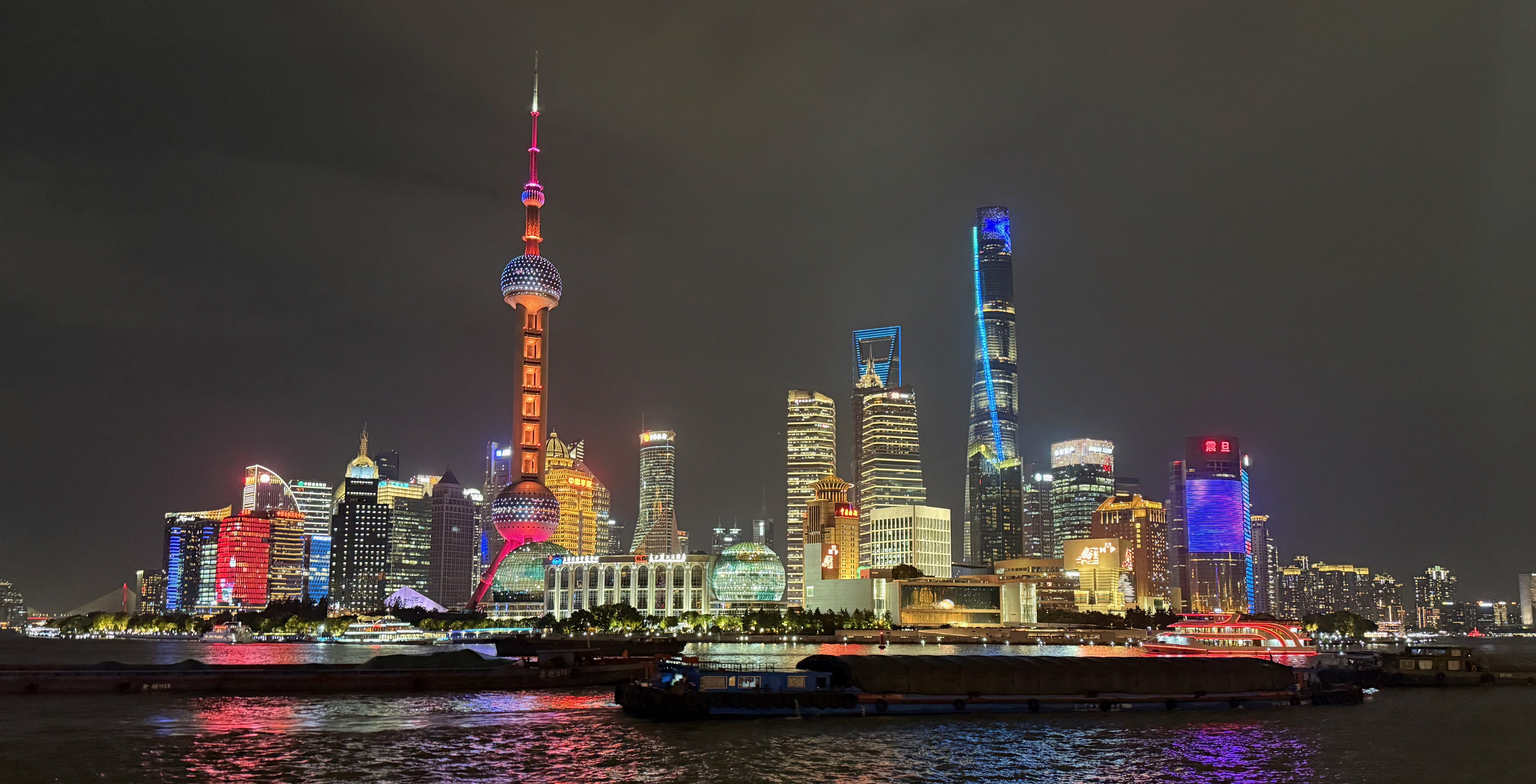
China’s infrastructure and cities are very modern
I had previously visited China (Beijing and Shanghai) in 2008, 2012, and 2016. Since my last visit a decade ago, China has transformed.
- Everything is new. Roads are smooth. Buildings are modern. Every Didi (China’s Uber) ride I took was in a spacious Chinese-made electric car. A bullet train whizzed us from Shanghai to Hangzhou, a ~160 km journey, in 45 minutes. China has built 50,000 km of high-speed rail, about 70% of the world’s total. I can’t think of many places with better infrastructure—only Switzerland, the Netherlands, Singapore come close.
- It’s remarkably quiet and green. Most cars and all motorbikes are electric, so even when you walk along a busy street you barely hear any traffic. (Chinese drivers don’t seem to honk much either. Apparently it’s banned in Shanghai and Shenzhen!) In both Shanghai and Shenzhen I was impressed by the amount of trees and plants—both cities felt green, despite all the high-rise buildings.
- I felt incredibly safe. After an hour walking around a busy electronics market in Shenzhen (Huaqiangbei, which gets 750,000 visitors a day), I realized I had not once worried about someone stealing the iPhone I was holding in my hand. I would have certainly done so in most other countries. (This may be the result of cameras everywhere. It could also stem from China’s Confucian heritage—virtuous behavior is regarded highly.) Also: I did not see a single homeless person in the three cities we visited.
China no longer just copies
Of the two factories we visited, BYD’s was the most impressive. BYD produces around 5 million electric vehicles (EVs) a year, more than any other carmaker in the world. We saw cars that can drive on three wheels, cars rotating in place, and the world’s fastest production car (Yangwang U9 Xtreme), which recently hit a 500 km/h speed record.
BYD’s production line consisted of four phases: stamping, welding, painting, and assembly. The first two were fully automated—armies of Kuka robot arms (owned by a Chinese company since 2017) were putting together car skeletons. The fourth and final process step, assembly, had more human workers. It was mind-blowing to see a new car roll off the production line every ~15 seconds, or about 600,000 cars a year.
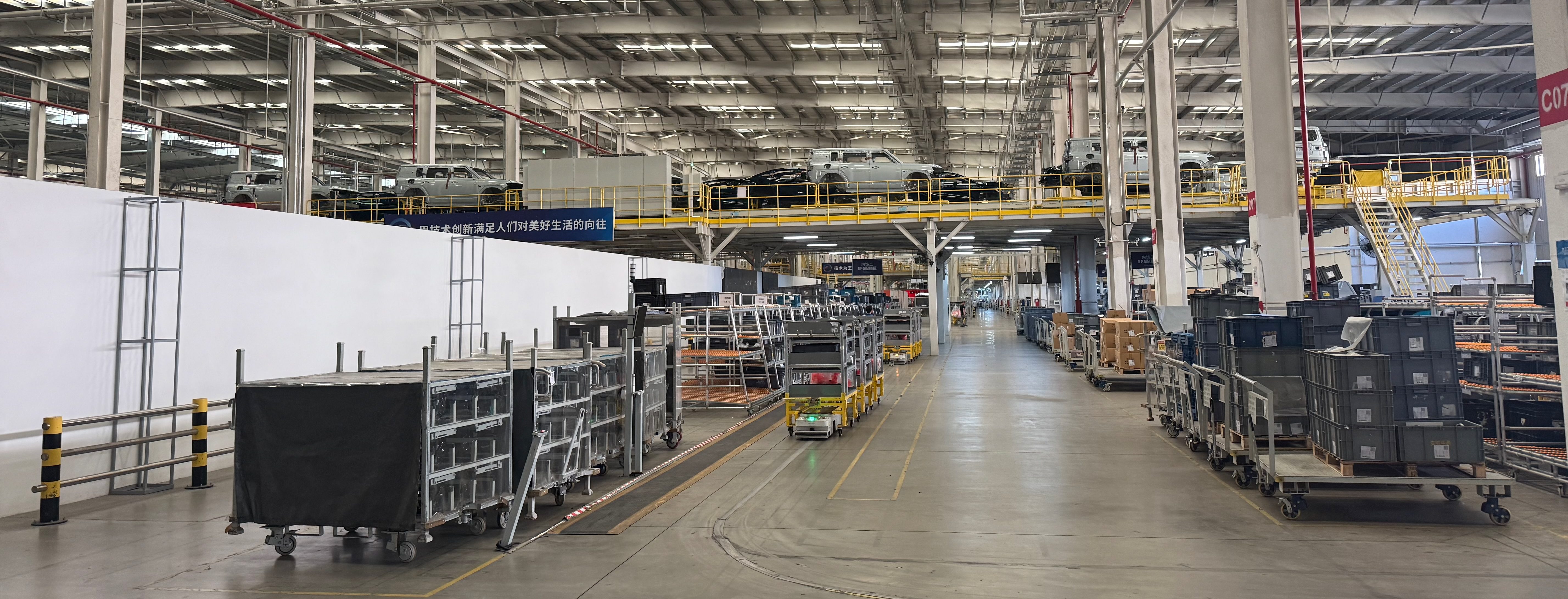
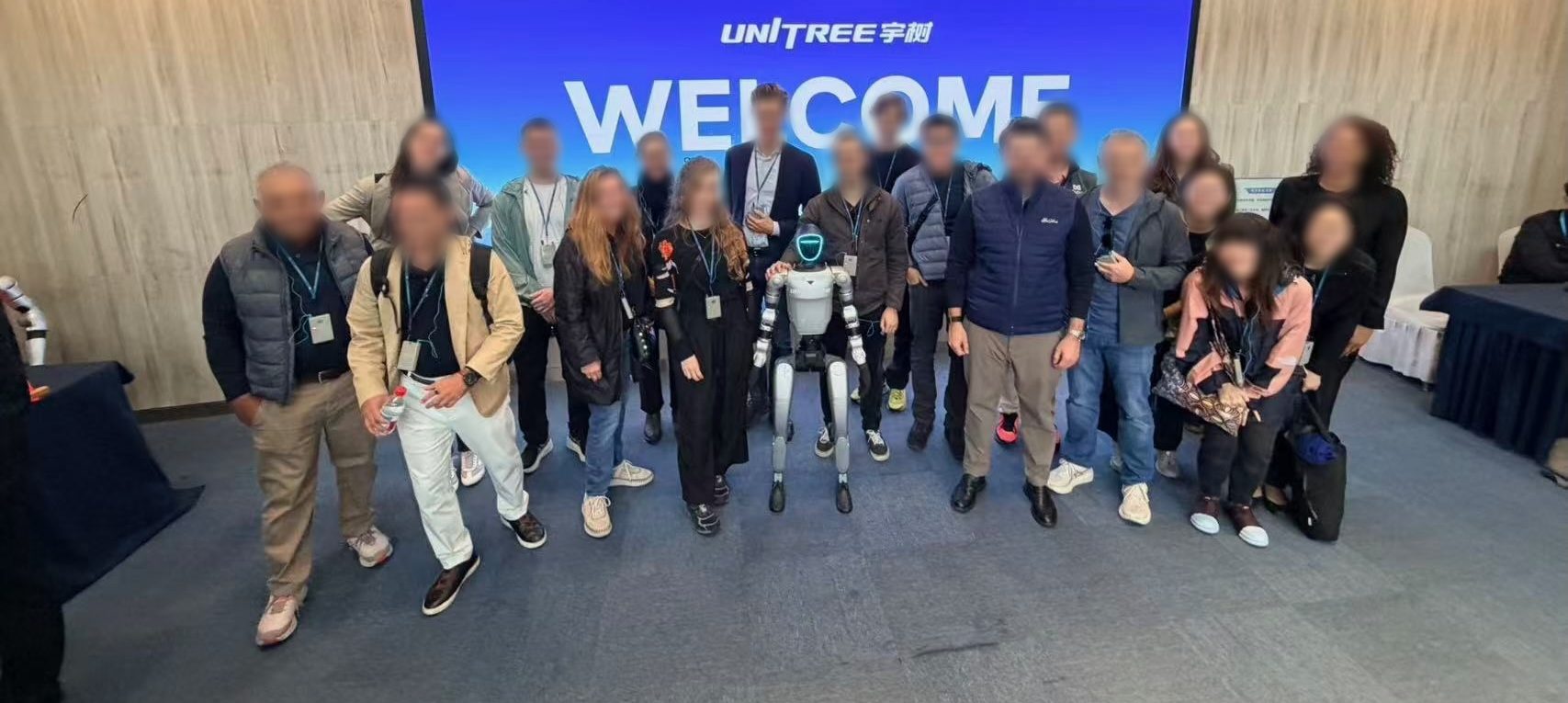
Unitree’s factory was less automated. This is probably partially because Unitree’s humanoid robots are still produced in small volumes (thousands versus BYD’s millions of units per year). However, Unitree was vertically integrated. One of the group participants, a robotics entrepreneur, stressed this was the power of Chinese companies—they produce every part from scratch. Few US companies do so. At scale, this allows Chinese companies to achieve very low costs. For early products, having manufacturing in-house and nearby allows companies to rapidly iterate.
What also struck us was the wide range of products offered. BYD’s products include cars, stationary batteries, AI data center cooling, and LIDAR. (Our BYD tour guide quipped, “everything in a BYD car is produced by us, except the windshield and the tires”.) That includes its own chips and LIDAR, which is included in nearly every car. Unitree showed three or four product lines, including a small humanoid that sells for about $5,000. They also sell components to other robotics companies. When we asked, “don’t you want to prevent your competitors from building robots with your parts?”, they reacted surprised, as if it was a weird question.
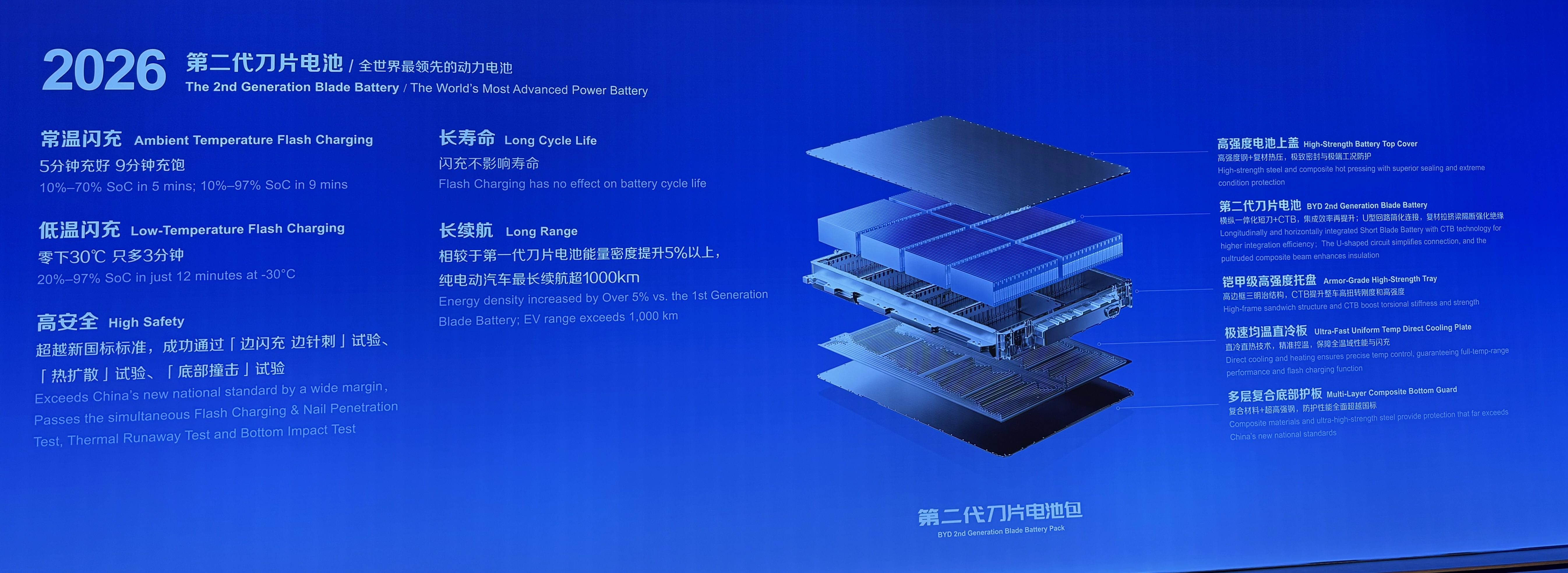
When you visit these factories, it is very clear that China is no longer copying Western products. As Patrick McGee writes in Apple in China, “Americans may soon look up and see that China has become self-sufficient in advanced electronics, robotics, and chip fabrication.” I believe we’re mostly there.
Could US companies match this level of production and manufacturing? We had some lively debates about this. Tesla has successfully set up automated manufacturing lines in the US. Silicon Valley-backed hardware companies claim to do domestic manufacturing and be vertically-integrated. Will this lead to a resurgence of domestic manufacturing? I think so, but to a limited extent. Some industries, such as defense and aerospace, will increasingly manufacture in the US for safety reasons. Outside these industries, I expect some companies led by exceptional founders will manufacture in the States. But I expect most products will come from China and we won’t see a widespread return to domestic manufacturing.
But Chinese company valuations are low compared to US companies, for a variety of reasons
Our group walked away from BYD’s showroom and factory impressed. But we were also confused. BYD’s 2025 revenues eclipsed Tesla’s, yet its market cap hovers around $100 billion—roughly 7% of Tesla’s $1.5 trillion market cap. How is that possible? We came up with a few explanations:
- Lingering fear of government intervention, especially following Jack Ma’s fall from grace.
- Low profitability. A business school professor who joined us for a meal described a dynamic called involution (neijuan): domestic competition so intense that it grinds down margins for everyone. And while Chinese companies are now expanding abroad (BYD sold about a third of its cars outside China last year), there’s no guarantee of higher profits abroad, given (a) tariffs and (b) Chinese rivals tend to follow each other into the same markets.
- Chinese capital market structure. An American investor in Shenzhen stressed that it’s hard for companies to extract capital from China. This and other factors can make Chinese capital markets less attractive to foreign capital. (Foreign Affairs recently made a related point: US AI labs can tap private credit markets to fund their buildout, while Chinese firms must rely on the state.)
- Less hype. We observed that American CEOs are more bombastic and focused on exciting the general public. Instead, most Chinese leaders we met stuck with the facts when we asked them about their businesses. It’s possible entrepreneurs are worried their fate will be like Jack Ma’s if they fly too high. It may also be that Chinese retail investors primarily invest in debt, not equities. And, lastly, as Chinese property values have sagged, many Chinese people lost a large part of their private wealth, making them less likely to invest in Chinese equities.
All things considered, I expect Chinese product companies will increasingly take over the world, starting with the non-Western nations. (One member of our group lives in Pakistan; he emphasized that nearly all new cars and phones sold in Pakistan are Chinese.) But I am not convinced this will mean Chinese stocks will do exceedingly well.
As an aside, America’s blocking of certain Chinese products and offerings appears to have a negative effect on those companies. For example, during our visit to Pony.ai, the Chinese equivalent of Waymo, we learned that equipping one of its autonomous vehicles, LIDAR included, costs about one fifth of what it costs Waymo. (Each Pony car runs on four NVIDIA Orin chips at about $250 apiece, while Waymo uses H100s that cost about 70 times more.) As a result, even at much lower fares than in the US, Pony.ai earns 20-30% gross margins, even after vehicle depreciation. Had they been allowed to operate in the United States, it would likely have been a boon for their business, because they could access a larger market. Instead, Pony plans to grow to hundreds of thousands of vehicles in China by 2030 and tens of thousands abroad (London, Manchester, and the UAE are on its list), but none in the US.
Observations on the workplace
We visited a half dozen offices and two factories. Workplaces were better than I expected:
- By and large, people we met spoke English well. Many had been educated at American or European universities. Most were clearly very smart and hardworking.
- Women held positions of power. In several companies the most senior leaders we met were female. As far as I can tell, women in our group were respected and considered equals to men.
- Companies visibly celebrate their values. At several businesses, including Rednote, BYD, and Pony.ai,, values were printed on banners hanging from the ceiling, and employees and leaders alike brought them up unprompted. That was more than we expected.
- Hours seem reasonable. At MiniMax, we were told people work from 10 a.m. to 8 p.m., a far cry from the “996” schedule (9 a.m. to 9 p.m., six days a week) I had expected. In one factory, we were told the production line runs 8 a.m. to 6 p.m. and stops for lunch.
On a less positive note, I noticed strong deference to founders. We met with several senior executives who, when asked about the plans for the future, basically said “higher-ups are thinking about this”. This is unlike American companies. They also seemed focused on telling facts rather than stories.
E-commerce and social media
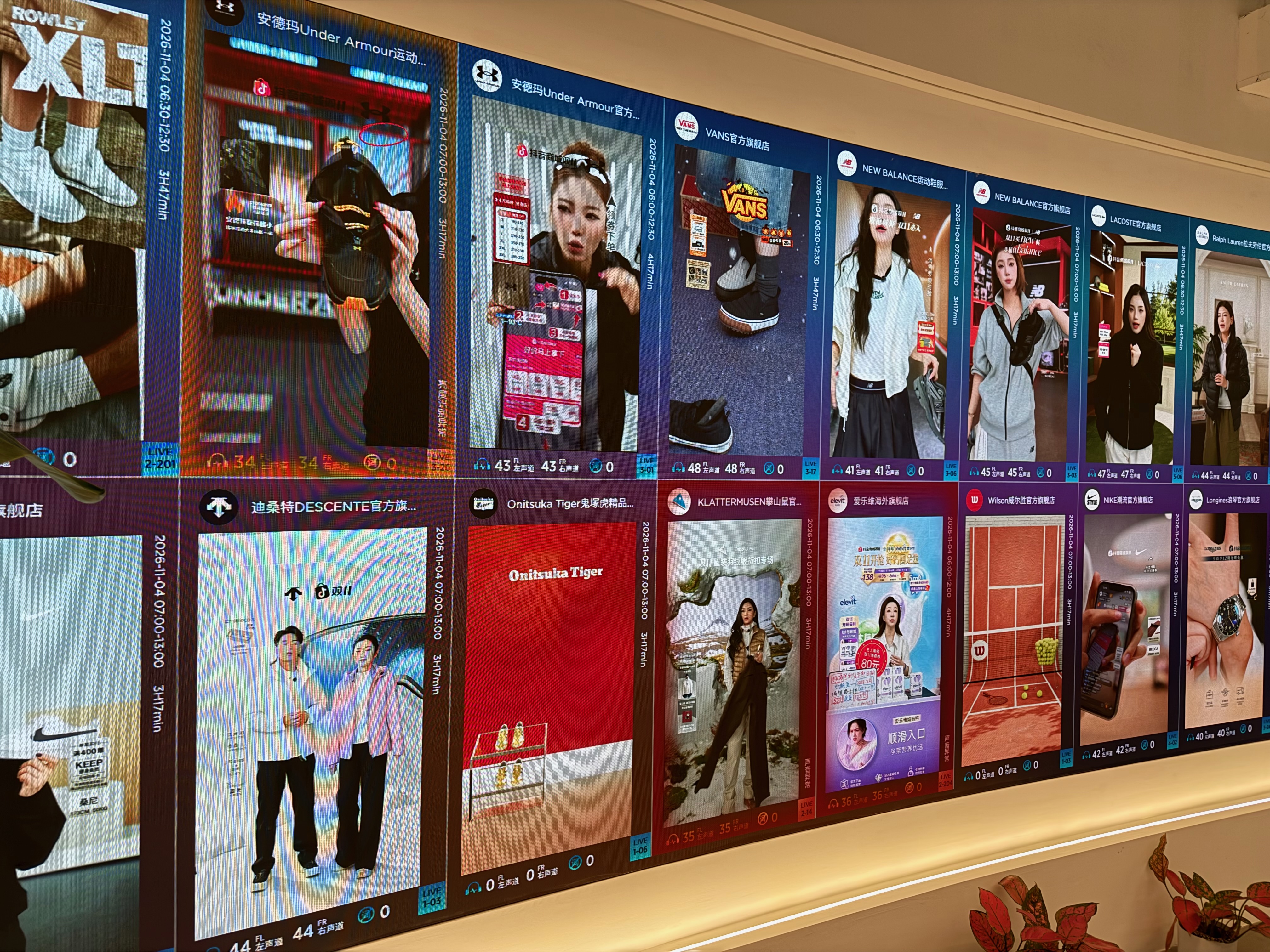
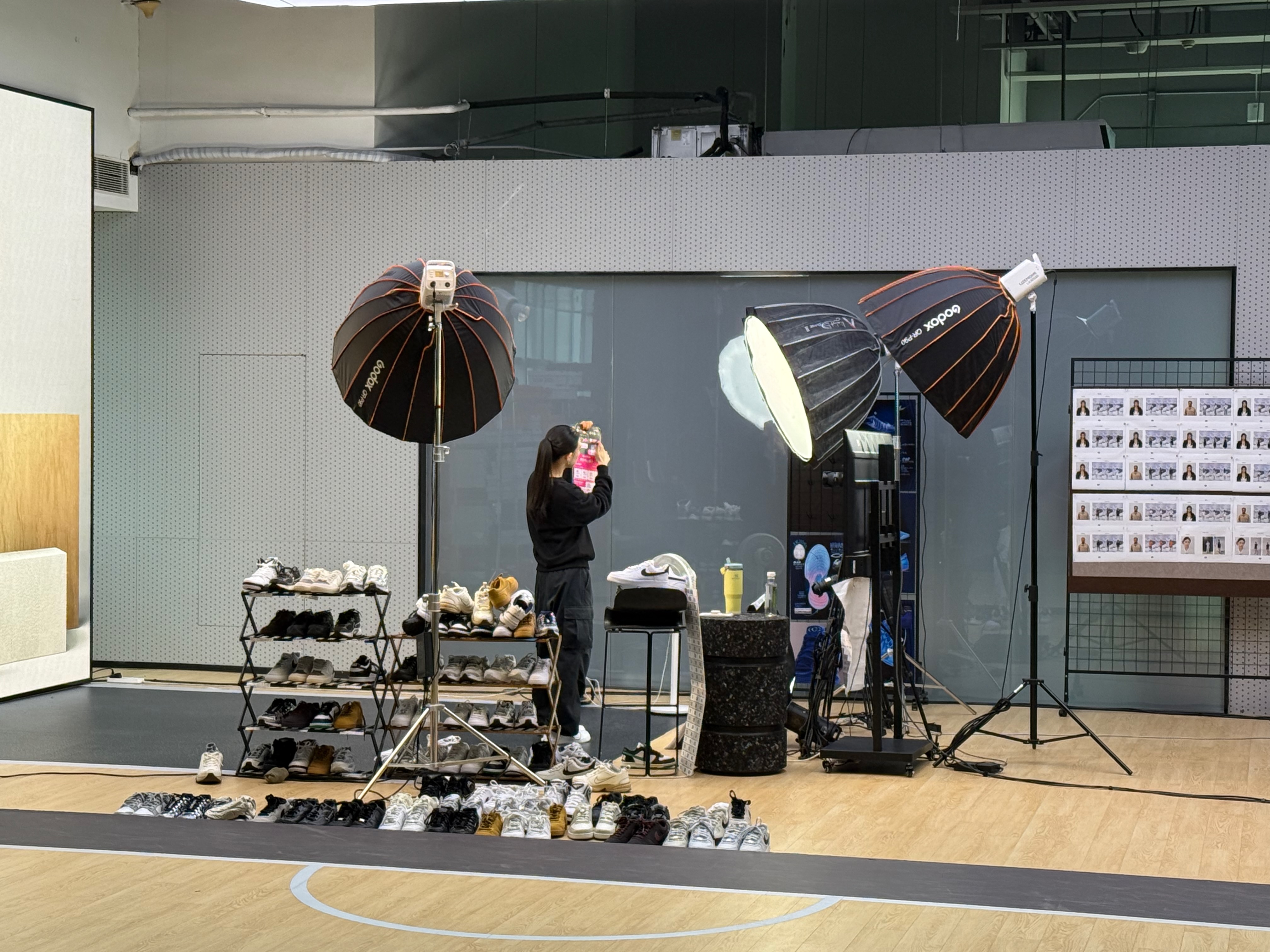
The most bizarre workplace we visited was Buy Quickly (known in China as Romomo). Buy Quickly employs recent college grads to livestream new products, generating leads for brands. We learned that 30% of China’s e-commerce happens through live streaming, compared to just 1% in the US. (China’s e-commerce market is about twice as big as America’s: roughly $2 trillion in 2025, versus less than $1 trillion). We toured a recording studio with 200 people livestreaming in parallel. In small showrooms dedicated to a specific brand—Nike, Vans, Longines—these livestreamers would do 4-6 hour continuous recordings. Employees earned 60-70% of their salary as commissions, and some of the most famous ones, so-called KOLs (key opinion leaders, although I prefer kings of livestreaming) earn multimillion dollar annual salaries. Even an ordinary livestreamer can make 1 million RMB (about $140,000) a year, roughly 10 times the average salary of a recent college graduate, so it has become one of the most sought-after jobs among young people.
Some of the Americans we met in China told us they were convinced Americans are overreacting about security concerns regarding surveillance. They believe China’s government has citizens’ best interest at heart, and you only need to be concerned about surveillance if you’re actually doing bad things.
This relates to something else we saw in our visit to Rednote (known in China as Xiaohongshu), a blend of Yelp, Reddit, and Pinterest with 500 million monthly active users. Rednote staff walked us through a large exhibition showing how their social media platform improved society by connecting people. It framed Rednote as positive and kind—strengthening the social fabric. Some of us joked that if Meta had a similar expo, Americans would have scoffed in disbelief.
It’s easier to build from scratch than to maintain
As mentioned earlier, I was really impressed with China’s cities. In Shenzhen, the night skyline around Talent Park was incredible. The building facades displayed a lightshow that made the top of Salesforce tower pale in comparison. We were told that the area we stayed in Shenzhen, Qianhai, was marshland a decade ago, before it was reclaimed and developed in about five years. That is incredible—we don’t build at that speed or quality anywhere in the US or Europe.
A Chinese member of our group who travels to China multiple times a year noted that this was the first time he felt China was not doing well—he picked the word “Stagnant” in our closing circle. Didi drivers complained that the Chinese economy was down. China faces double-digit youth unemployment. China’s population is greying. I wonder what effect this will have on the economy.
On my last day, I visited Hong Kong before my flight out. It felt so anticlimactic. The buildings and public infrastructure felt old. It was noisier and dirtier, and I saw homeless people camping on the street. While people in Hong Kong speak English, I found it harder to navigate than mainland China. In mainland China, I never touched cash and in just 5 hours in Hong Kong I was forced to take out cash twice.
Part of the mainland’s wow factor is simply that everything is new.
This raises a question: eventually China will shift from mostly building new things to maintaining things. China spends about 2.5% of GDP a year on infrastructure, versus 0.6% in the US, and all of it will eventually need upkeep. How will it feel to be in China in 20 or 40 years? I have reason to be optimistic: Pudong, a part of Shanghai developed in the 1990s, still feels modern. I’ll be curious to watch.
Thanks to Juliette and James for reviewing an earlier version of this post.

